Your MRI is Not a Life Sentence!
Why “Normal” Aging Looks Like “Degenerative Changes”?
If you've ever received an MRI report describing "bulging discs," "degenerative changes," or "disc protrusion," it's easy to feel alarmed. These terms sound serious — as if something is permanently broken and destined to cause lifelong pain. But here's the reassuring truth: many of these findings are as normal as wrinkles on your skin. They're often just signs of a spine that's been doing its job for decades, not a sentence to chronic suffering.
The "Wrinkles on the Inside" Analogy
Think of your spinal discs as the cushions between the vertebrae in your back. Over time, just like your skin develops fine lines from years of smiling, moving, and living, your discs naturally lose some hydration, flexibility, and height. This can lead to bulging or slight protrusions — often described as "wrinkles on the inside."
A landmark systematic review by Brinjikji et al. (2015) analyzed imaging from thousands of people with no back pain and found that degenerative changes are incredibly common — even in younger adults — and increase dramatically with age:
Disc degeneration: Present in 37% of 20-year-olds, rising to 96% of 80-year-olds
Disc bulges: Seen in 30% of 20-year-olds, up to 84% of 80-year-olds
Disc protrusions: From 29% in 20-year-olds to 43% in 80-year-olds
In other words, by the time you're in your 50s or beyond, it's more unusual not to have these findings on an MRI than to have them — yet most of these people feel perfectly fine.
Focus on the Person, Not the Picture
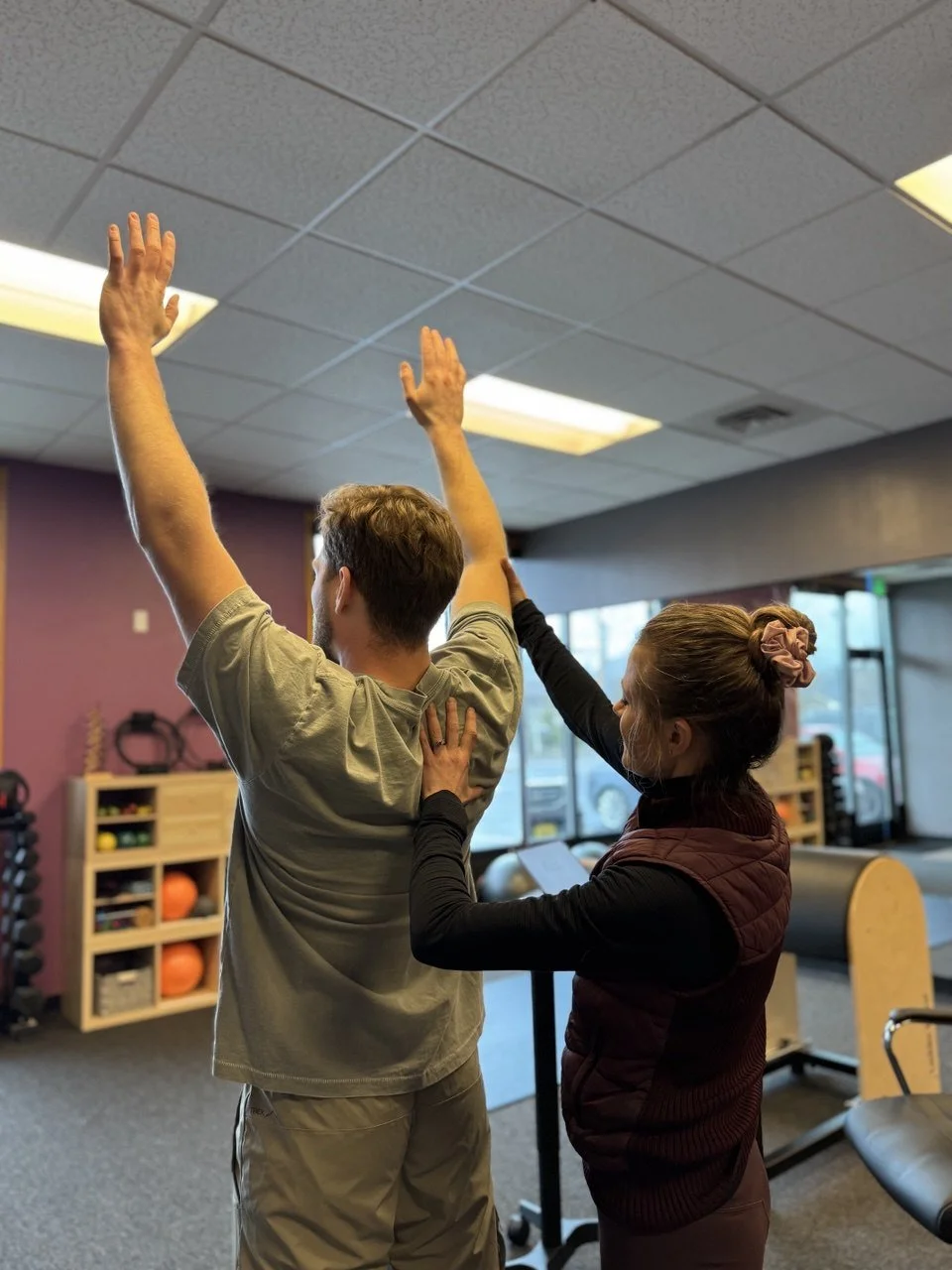
If your MRI shows "wear and tear," but your pain is improving with movement, physical therapy, and bodywork, then those MRI findings might actually be irrelevant. Your body is incredibly resilient and capable of adapting to change — and many pain patterns are driven more by movement habits, strength imbalances, nervous system sensitivity, muscle guarding, and poor spinal support than by a specific structural finding on imaging.
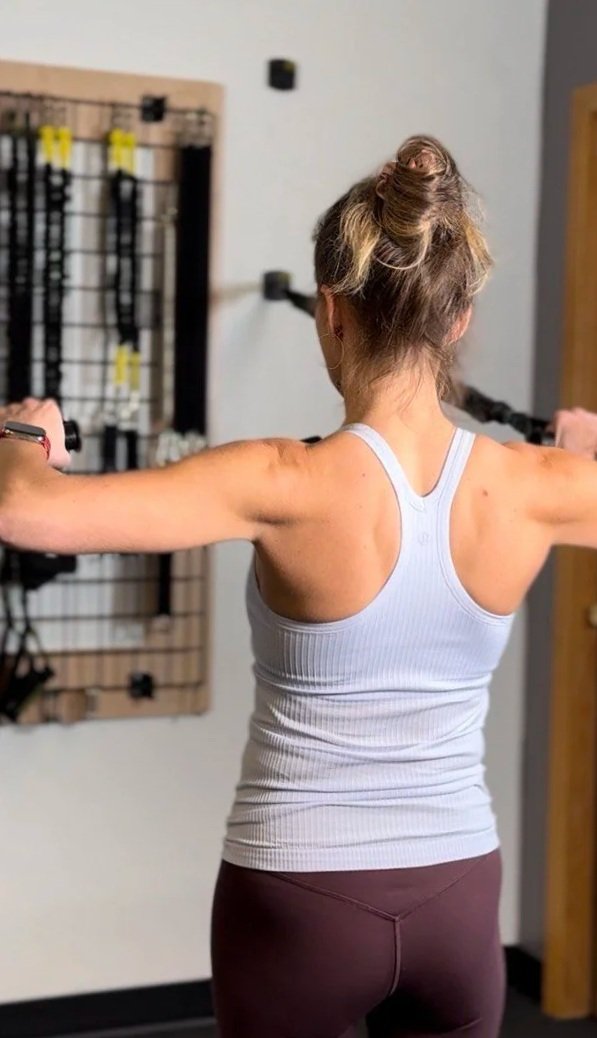
Movement is often the best medicine. Instead of letting a scary report make you afraid to move, use it as a reminder to strengthen the muscles around your spine and restore movement confidence to support those “wrinkles” from the inside out.
MRIs Are Valuable — But Must Be Clinically Correlated
It’s also important to say this clearly: MRIs are absolutely useful and sometimes essential. They can provide an incredibly detailed lens into the intricacies of your anatomy and physiology, helping clinicians understand structure, rule out serious pathology, and guide decision-making when appropriate.
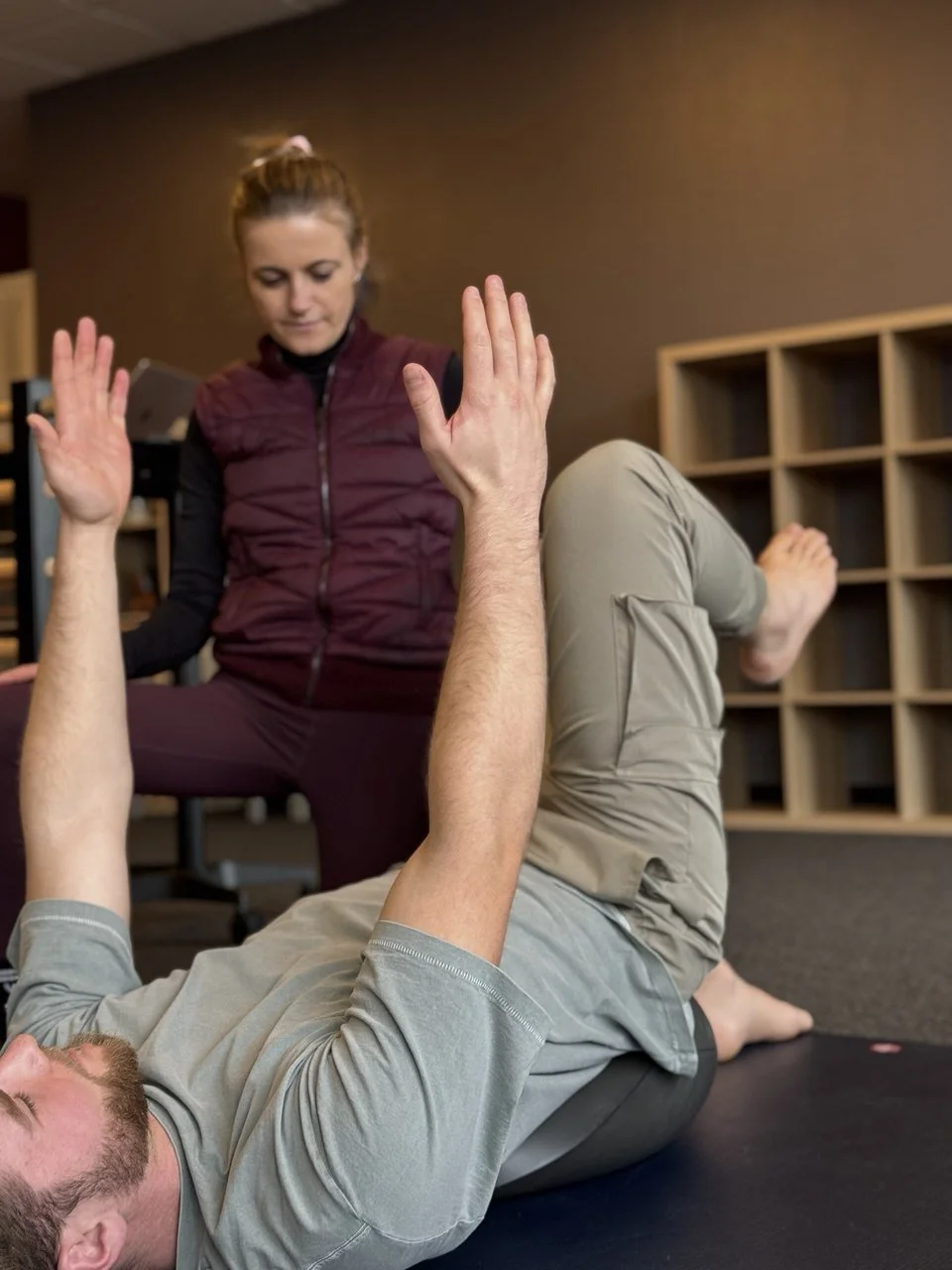
However, MRI findings should always be clinically correlated with symptoms — meaning the results should be interpreted in the context of your pain pattern, neurological signs, functional limitations, and physical exam. In many cases, imaging identifies “degenerative” changes that are simply normal aging, and those findings may not match what the person is actually feeling. The best care comes from combining imaging with clinical reasoning — not relying on the MRI report alone to define what’s “wrong.”
How I treat and evaluate clients
At Bend & Stretch Physical Therapy, I help people move past scary MRI language by focusing on what actually changes outcomes: strength, control, posture, and confidence in movement. Instead of “resting your back” or avoiding certain movements forever, we work on rebuilding deep support for your entire spine — from your pelvis and low back all the way up through your rib cage, upper back, and cervical spine (neck).
Many people don’t realize that chronic neck and back pain and “degenerative changes” in the spine are often strongly influenced by posture, breathing mechanics, rib cage position, pelvic alignment, and inefficient deep core control. Using a combination of hands-on physical therapy, Pilates-based strengthening, and my specialty tool called the OOV, we retrain your body from the inside out.
The OOV’s curved surface activates your deep stabilizing system automatically — helping restore better breathing, lumbopelvic control, shoulder blade stabilization, spinal alignment, posture positioning — while also challenging balance and reflexes in a playful way. The result is a stronger, more coordinated core, resilient posture, efficient spinal support, and most importantly: a body you can trust again.

Kateryna has a Master’s degree in Physical Therapy with 15 years of clinical experience. She is a STOTT Certified Pilates Instructor and loves to integrate pilates into her physical therapy treatment approach. Her mission is to help you feel and move better for life.